Lyric Hammersmith theatre upholstery cleaning specialists
Posted on 06/06/2026
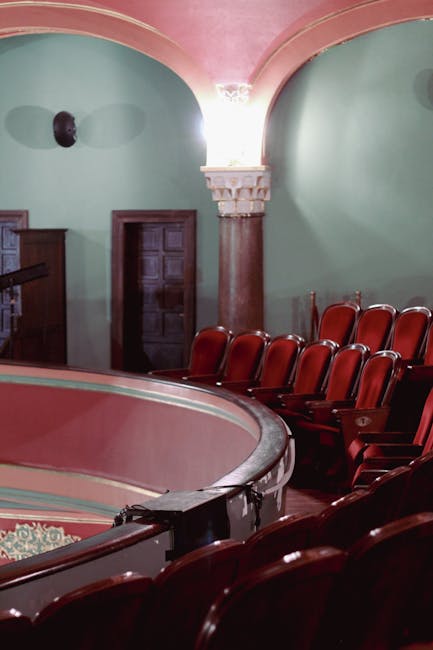
Lyric Hammersmith theatre upholstery cleaning specialists: a practical guide to keeping performance seating fresh, safe, and audience-ready
Theatre seating gets more wear than most people realise. Between packed shows, interval spills, dust, grease from busy hands, and everyday footfall, upholstery can start to look tired long before the fabric actually fails. That is where Lyric Hammersmith theatre upholstery cleaning specialists come in. The job is not just about making seats look better for the next performance. It is about preserving fabric, improving comfort, reducing odours, and helping the whole venue feel cared for from the moment the lights go down.
In a venue like the Lyric Hammersmith, presentation matters. Guests notice clean armrests, tidy seat backs, and the subtle difference between a space that feels maintained and one that feels a bit neglected. This guide breaks down how specialist theatre upholstery cleaning works, why it matters, who needs it, and what good practice looks like in real life. If you are responsible for a theatre, auditorium, performance space, or heritage venue, this should help you make better decisions without the fluff.
- Why it matters
- How the cleaning process works
- Key benefits and practical advantages
- Who needs this service and when
- Step-by-step guidance
- Expert tips for better results
- Common mistakes to avoid
- Tools, resources and recommendations
- Law, compliance, standards, and best practice
- Options and method comparison
- Case study / real-world example
- Practical checklist
- Conclusion
- Frequently asked questions
Why Lyric Hammersmith theatre upholstery cleaning specialists Matters
Theatre upholstery is a different beast from domestic furniture. It is usually fixed in place, used repeatedly by hundreds or thousands of people, and exposed to a steady mix of dust, drink spillages, crumbs, sweat, and outdoor dirt brought in on coats and shoes. Ordinary cleaning methods can help a little, but they rarely reach the deeper build-up that causes discolouration, dullness, and lingering smells.
Specialist work matters because theatre seating has both visual and practical responsibilities. Visually, it should support the atmosphere of a live venue; practically, it should remain comfortable, hygienic, and durable. Nobody wants to sit down in a damp-smelling seat or leave with fabric dye on their clothing. To be fair, that sounds obvious, but venues often notice these issues only after they have become awkward and expensive.
In a busy space like the Lyric Hammersmith, the cleaning approach also needs to respect the rhythm of programming. You cannot just "deep clean whenever" and hope for the best. The work has to fit around rehearsals, performances, matinees, and access needs. That is why specialists are valuable: they understand timing, fabric sensitivity, drying considerations, and the difference between a quick refresh and a proper restorative clean.
Expert summary: the best theatre upholstery cleaning is not simply cosmetic. It protects presentation, supports guest comfort, and helps a venue stay reliable over time. Clean seats do a lot of quiet work.
If you are planning wider upkeep for a venue or management portfolio, it can help to look at the bigger picture too. A well-run space often benefits from broader routines such as cleaning service planning, regular fabric care, and sensible scheduling around usage peaks.
How Lyric Hammersmith theatre upholstery cleaning specialists Works
Specialist upholstery cleaning for theatre seating usually starts with inspection. That sounds basic, but it is the step that prevents a lot of mistakes. The cleaner needs to identify the fabric type, the level of soiling, any staining, wear points, and whether the seats have delicate trims, labels, or flame-retardant coatings that should not be disturbed.
From there, the process often follows a careful sequence:
- Dry soil removal: loose dust, crumbs, and grit are lifted first, usually with high-filtration vacuum equipment.
- Pre-treatment: stubborn marks, drink residues, or traffic areas may be treated with fabric-safe solutions.
- Targeted agitation: soft brushes or controlled mechanical action help loosen embedded dirt without roughing up the pile.
- Deep cleaning: depending on the fabric, this may involve low-moisture extraction, hot water extraction, or another appropriate method.
- Detail work: armrests, seams, backs, and corners are checked so the final result looks even rather than patchy.
- Drying and ventilation: airflow is managed to minimise downtime and reduce the risk of damp-related odours.
One thing venues often appreciate is that the process can be tailored. Not every seat needs the same treatment. Some areas are heavily used and need more attention; others may just need a lighter maintenance clean. A good specialist does not treat the whole auditorium like one giant sofa, which would be a bit silly really.
In practice, the most important part is matching method to material. Velvet, wool mixes, synthetic blends, and fixed seating systems each behave differently. A wrong method can flatten the texture, leave rings, or cause unnecessary drying time. That is why the first assessment is not a formality. It is the backbone of the whole job.
Key Benefits and Practical Advantages
Clean theatre upholstery delivers more than a nice first impression. It contributes to the whole audience experience, and in venues that host long seasons or frequent events, those small improvements stack up quickly.
- Better audience perception: clean seating makes a venue feel attentive and well managed.
- Improved comfort: dust, residue, and sticky surfaces are removed, so seats feel fresher.
- Reduced odours: deep cleaning helps tackle the stale, trapped smells that ordinary surface cleaning misses.
- Fabric longevity: removing abrasive dirt helps slow down wear on fibres and seams.
- More consistent presentation: regular care keeps one row from looking noticeably worse than the rest.
- Lower disruption later: planned maintenance usually costs less hassle than emergency restoration after visible staining or complaints.
There is also a subtle commercial benefit. Guests may not consciously say, "the upholstery looked immaculate," but they do feel the difference. They notice when a space smells clean, when seats look cared for, and when the environment supports the performance instead of distracting from it. That kind of confidence matters, especially for venues competing for loyalty in a city full of entertainment options.
For venues in and around Hammersmith, presentation links naturally with local reputation. People often share impressions after a visit, even casually, and a clean, comfortable auditorium becomes part of the venue's identity. If you want a broader sense of how local business choices shape perception in the area, the site's local opinions on living in Hammersmith offers an interesting backdrop.
Who This Is For and When It Makes Sense
This kind of cleaning is for anyone responsible for fixed seating or upholstered furniture in a performance setting. That includes theatre managers, venue operators, facilities teams, event spaces, cultural buildings, schools with auditoriums, and heritage sites with regular public use. It can also suit landlords or property managers overseeing spaces that host screenings, talks, or live events.
It makes sense when you notice any of the following:
- visible staining on seats or armrests
- a stale or "closed room" smell after long periods of use
- dust build-up in seams, piping, or under seat edges
- fabric that has dulled despite routine vacuuming
- complaints about comfort, cleanliness, or appearance
- pre-event preparation for a busy season, launch, or relaunch
It is also sensible after refurbishment work, building dust exposure, or any period when the venue has been less active and the space needs to be brought back to life. You know that moment when a room has been shut for a while and the air just feels heavy? Upholstery tends to hold onto that feeling. Specialist cleaning helps reset it.
If your venue is part of a wider building programme, you might also find it useful to compare with other local service planning. The broader office cleaning in Hammersmith approach can be useful as a reference point for scheduling, access planning, and routine maintenance thinking.
Step-by-Step Guidance
If you are organising a theatre upholstery clean for the first time, here is a straightforward way to handle it without overcomplicating things.
- Start with a fabric and condition audit. Note where staining is concentrated, which seats are most used, and whether any fabric appears fragile or faded.
- Choose the right cleaning method. Not all upholstery should be wet cleaned in the same way. Fixed theatre seating often needs lower-moisture methods or highly controlled extraction.
- Plan around venue operations. Set cleaning windows that allow drying, ventilation, and safe access. Evening, overnight, or off-day work is often more practical.
- Protect nearby surfaces. Floors, trims, and adjacent fixtures should be shielded, especially in tight auditoriums.
- Carry out a test patch. This is especially wise for older fabric or seats with unusual dye behaviour.
- Treat stains carefully. The aim is controlled removal, not aggressive scrubbing. Scrubbing usually makes things worse. Annoying, but true.
- Clean systematically. Work row by row or section by section so nothing gets missed and drying can be monitored.
- Check results under venue lighting. Soft daylight can hide marks that become visible once the house lights change. Slightly awkward, but essential.
- Ventilate and verify drying. Ensure seats are dry enough before public use to prevent damp patches and re-soiling.
- Document the condition. Notes and photographs help with maintenance planning, insurance records, and future scheduling.
One practical tip: do not leave cleaning until the upholstery looks obviously bad. At that point, the job becomes more difficult and less predictable. Prevention is calmer. Less drama. Everyone likes less drama.
Expert Tips for Better Results
Good results usually come from good preparation, not just stronger chemicals or longer cleaning time. That is the bit people sometimes miss.
- Vacuum before the specialist arrives if access is available. Removing loose debris saves time and improves the finish.
- Label problem zones. Front rows, aisle seats, and drink-heavy areas often need more attention than the rest.
- Think in maintenance cycles. A light clean done regularly can be better than an aggressive one done rarely.
- Keep cleaning products fabric-specific. Generic products can leave residues or change the feel of the textile.
- Respect drying time. Pushing seating back into use too soon can undo the work.
- Balance appearance with preservation. A spotless look is useful, but not if it shortens the life of the fabric.
A small but real-world observation: theatre fabric often looks "fine" in the morning and then noticeably worse by evening lighting. That is why a proper inspection should happen under conditions similar to actual use. The shadows reveal things. Theatre lighting has a habit of being honest.
If you want reassurance about a company's wider working standards, it is reasonable to review its health and safety approach and general service information before booking. That is just sensible due diligence, not overthinking it.
Common Mistakes to Avoid
Upholstery cleaning can go wrong in a few predictable ways. The good news is that most of them are avoidable.
- Using too much water: over-wetting fixed seating can lead to long drying times and odour retention.
- Scrubbing stains aggressively: this can spread the stain or damage the surface fibres.
- Ignoring fabric type: what works on one seat cover may be wrong for another.
- Cleaning without a test patch: older materials can react unpredictably.
- Forgetting the surrounding area: dust and debris from floors or seat bases can undo the clean quickly.
- Scheduling too close to public use: rushing the dry time creates avoidable problems.
- Assuming all stains can be removed: some marks are permanent or partially set, and honesty about that is better than false promises.
There is a bigger mistake too: treating upholstery as a one-off emergency instead of part of a care plan. That approach usually leads to more stress and a less consistent finish. Truth be told, most venue managers already know this, but busy schedules push maintenance down the list. It happens.
Tools, Resources and Recommendations
Specialist cleaners typically rely on more than one tool or technique, because fixed theatre seating is not forgiving. The exact kit varies, but the general categories are fairly consistent.
| Method or tool | Best for | Why it helps | Watch-outs |
|---|---|---|---|
| High-filtration vacuuming | Loose dust, crumbs, dry debris | Removes grit before deeper cleaning starts | Does not solve embedded staining on its own |
| Fabric-safe pre-treatment | Localised stains and traffic marks | Helps loosen dirt without heavy abrasion | Must suit the textile and dye stability |
| Low-moisture extraction | Fixed seating and sensitive materials | Limits drying time and water exposure | Needs skilled control to avoid uneven results |
| Controlled hot water extraction | More resilient upholstery with deeper soiling | Can achieve a deeper clean when used correctly | Not suitable for every fabric or venue timetable |
| Soft detailing tools | Seams, piping, edges, armrests | Improves finish in small, visible areas | Overuse can roughen delicate fabrics |
For venue owners or managers comparing service options, it helps to think beyond one appointment. A strong maintenance plan may include periodic upholstery work alongside carpet cleaning in Hammersmith if the space has adjoining audience areas, foyers, or backstage circulation routes.
You may also want to review the provider's broader business information, such as about us details, pricing and quotes information, and payment and security. Those pages do not replace a proper conversation, of course, but they do help you understand how the company works.
Law, Compliance, Standards, or Best Practice
For theatre upholstery cleaning, the main compliance issues are practical rather than dramatic. The work should be carried out with due care for fabric safety, venue safety, access control, and any relevant fire-retardant considerations associated with public seating. If you manage a theatre, you should also think about how cleaning affects evacuation routes, trip hazards, drying zones, and public access.
In the UK, venues often work to internal health and safety procedures, risk assessments, and manufacturer guidance where available. That means the cleaner should not just turn up and improvise. They should understand the limits of the material, the site conditions, and the need to avoid creating slip or reoccupation risks. Sensible stuff, really, but it matters.
Best practice usually includes:
- pre-clean inspection and risk checking
- appropriate ventilation during and after cleaning
- safe management of cables, hoses, and wet zones
- clear communication about drying times
- careful handling of delicate or historic fabrics
- recording any pre-existing damage or stains
If a venue has public-facing complaints or incident procedures, it is worth making sure cleaning work aligns with them. You can also look at the company's complaints procedure, terms and conditions, and insurance and safety information before agreeing a schedule. That gives everyone a better footing.
For public venues in particular, consistency matters more than heroics. Reliable process beats last-minute improvisation every time.
Options, Methods, or Comparison Table
There is no single best cleaning method for every theatre. The right choice depends on fabric, access, soil level, and how quickly seats need to return to service.
| Approach | Strengths | Limitations | Best use case |
|---|---|---|---|
| Routine vacuuming | Fast, low disruption, maintains appearance | Won't remove embedded stains or odours | Weekly or frequent maintenance |
| Spot cleaning | Targets visible marks quickly | Can leave tide marks if done poorly | Small fresh spills between deeper cleans |
| Low-moisture specialist clean | Good balance of depth and practicality | May need extra passes on heavy soiling | Most fixed theatre seating |
| Hot water extraction | Potentially deeper soil removal | Longer drying and not suitable for all fabrics | Resilient upholstery with enough drying time |
| Full restorative treatment | Best for heavily used or neglected seating | Most time-consuming and coordination-heavy | Pre-season refresh or major maintenance work |
For some venues, a hybrid approach works best. You might maintain seating with light regular cleaning, then book a deeper intervention during a planned closure window. That tends to be the sweet spot. Not glamorous, but effective.
Case Study or Real-World Example
Imagine a theatre preparing for a new run after a busy winter programme. The seats in the stalls look uneven: some rows are fine, while a few central sections show darkened armrests, visible dust along seams, and a faint stale smell that becomes obvious once the room closes up.
The venue team starts with an inspection and identifies the highest-use seats, especially near the centre aisles where audience traffic is heaviest. Instead of treating every row identically, the cleaner targets the most affected areas first and uses a lower-moisture method to keep drying manageable. Fresh spill marks are pre-treated, while delicate edges are handled more gently. The result is not just a brighter appearance, but a space that feels noticeably fresher when people re-enter for rehearsals.
What made the difference? Three things: a realistic schedule, proper fabric assessment, and restraint. No one tried to rush the process or force a one-size-fits-all method onto the seating. That is often where problems start. A theatre is a live environment, not a showroom, so the cleaning has to respect the rhythm of use as much as the fabric itself.
At the end of the week, the venue team notices something small but meaningful: fewer comments about "the usual stale smell" and a cleaner overall impression in the auditorium lighting. It is a modest win, but those wins are what keep a building feeling looked after.
Practical Checklist
Use this checklist before booking or scheduling theatre upholstery work.
- Identify the fabric type and seating construction where possible.
- Note heavy-use areas, stains, and any long-standing odours.
- Confirm how the work will fit around rehearsals and performances.
- Ask what method will be used and why it suits the fabric.
- Check whether test patches will be carried out on older or delicate seating.
- Ask about drying time and reoccupation guidance.
- Ensure access routes, cables, and equipment will be managed safely.
- Confirm how pre-existing damage will be recorded.
- Make sure the plan covers armrests, seams, and detail areas, not just the seat face.
- Review follow-up maintenance so the clean lasts longer.
If you can tick most of those boxes, you are usually in a good place. If not, pause and ask more questions. A five-minute clarification now saves a lot of head-scratching later.
Get a free quote today and see how much you can save.
Conclusion
Choosing Lyric Hammersmith theatre upholstery cleaning specialists is really about protecting the atmosphere of the venue as much as the seating itself. Good upholstery care keeps performance spaces welcoming, reduces avoidable wear, and supports the kind of polished audience experience people remember without quite knowing why.
The best results come from careful inspection, fabric-aware methods, sensible timing, and honest expectations. You do not need theatrical gestures here. You need calm, competent, well-planned work that respects the building and the people using it. That is the standard worth aiming for.
If your theatre, auditorium, or event space is overdue for a refresh, start with a proper assessment and build from there. A fresher room changes how a place feels the minute someone sits down. And sometimes, that is enough to lift the whole evening.