Health and Safety Policy for Cleaner Hammersmith
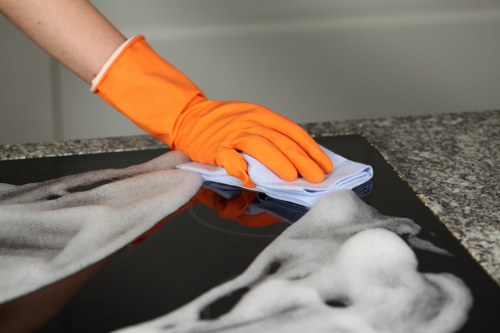 This health and safety policy sets out the standards and responsibilities that support safe, consistent, and respectful cleaning services. It applies to all cleaning activities carried out by a Cleaner Hammersmith team, whether in private homes, offices, shared buildings, or specialist environments. The aim is to protect cleaners, clients, visitors, and anyone else who may be affected by our work.
We believe that safe working practices are not optional; they are a core part of professional service. Every cleaner is expected to follow this policy by using appropriate equipment, applying careful judgement, and reporting concerns promptly. This approach helps reduce accidents, prevents avoidable illness, and ensures cleaning work is completed efficiently and responsibly.
All staff must understand the risks associated with cleaning tasks and take suitable precautions before beginning work. Risks may include slips, trips, falls, exposure to cleaning chemicals, manual handling injuries, electrical hazards, and contact with contaminated surfaces. The policy is designed to keep these risks low through planning, training, supervision, and regular review.
Responsibilities
Every cleaner has a duty to work safely, wear suitable clothing or protective items where needed, and use equipment only as intended. Supervisors must ensure that tasks are allocated appropriately, that staff are informed about site-specific hazards, and that any concerns are addressed before work begins. The company also has a responsibility to provide safe equipment, suitable products, and clear procedures.
Cleaner Hammersmith staff must never ignore unsafe conditions. If a floor is wet, a substance is spilled, a tool is damaged, or an area is poorly lit, the issue should be reported and, where possible, made safe immediately. Workers should not take unnecessary shortcuts, especially when handling heavy items, working at height, or cleaning in areas with restricted access.
 Clients and building occupants are also asked to support safe working by keeping areas reasonably clear, warning cleaners about known hazards, and allowing time for tasks to be completed properly. Cooperation is important because many incidents can be prevented when everyone acts with caution and communicates clearly.
Safe Working Practices
Cleaning tasks should be planned so that movement through a property remains safe and orderly. Cordless equipment may be preferred where appropriate, and cables must be positioned to avoid trips. Warning signs should be used when floors are damp or being treated. Where tasks involve lifting, bending, or repetitive movement, staff should use correct posture and take breaks when needed to reduce strain.
Cleaning products must be used in accordance with label instructions and internal procedures. Staff should never mix chemicals unless specifically authorised, and all containers must be correctly labelled and securely closed after use. Personal protective equipment may include gloves, masks, eye protection, or aprons, depending on the task. Good ventilation should be maintained whenever products could release fumes or airborne particles.
When cleaning in kitchens, bathrooms, or waste areas, extra attention should be given to hygiene and contamination control. Separate cloths and colour-coded tools may be used to avoid cross-contamination between rooms or surfaces. In cases involving bodily fluids, hazardous waste, or pest-related contamination, enhanced precautions and disposal procedures must be followed.
Training and Equipment
 Training is essential to maintaining high safety standards. All staff should receive instruction on safe handling, product use, emergency response, and the correct operation of cleaning machines. Refresher training should be provided when procedures change or when new equipment is introduced. Training records should be maintained to show that staff are competent to carry out their duties.
Equipment must be checked regularly for wear, damage, or malfunction. Faulty items should be removed from service immediately and reported for repair or replacement. Only approved equipment should be used, and each cleaner must follow the manufacturer’s guidance. Regular inspection helps prevent breakdowns and reduces the chance of injury during use.
Where specialist machinery is required, such as vacuums, floor machines, or steam devices, staff must use them carefully and only after receiving suitable instruction. No one should operate equipment they do not understand. A cautious, well-trained approach supports both safety and quality.
Accidents, Incidents, and Emergencies
All accidents, near misses, and unsafe conditions must be reported as soon as possible. This includes slips, cuts, chemical splashes, equipment failures, and any situation that could have caused harm. Prompt reporting allows action to be taken quickly and helps prevent the same problem from happening again.
In the event of a serious incident, the immediate priority is to protect people from further harm and obtain appropriate help. First aid measures should be applied only by trained persons or where it is safe to do so. If a fire alarm sounds, staff must follow the building’s evacuation procedures and leave the area without delay.
Emergency procedures should be known in advance. Cleaners must understand how to respond to fire, chemical exposure, injury, flooding, or security concerns. Clear communication, calm behaviour, and swift action are essential in these situations. A responsible cleaner service policy helps ensure that emergencies are handled consistently and safely.
Monitoring and Review
 This policy will be reviewed regularly to make sure it remains effective and relevant. Changes in legislation, working methods, equipment, or risk levels may require updates. Managers should also review reports of incidents and comments from staff to identify improvements. Continuous review supports a safer working environment for everyone involved.
Compliance with this policy is expected at all times. Failure to follow safe procedures may result in corrective action, additional training, or removal from duties where necessary. However, the overall purpose of the policy is supportive rather than punitive: it is intended to build a strong safety culture based on awareness, responsibility, and care.
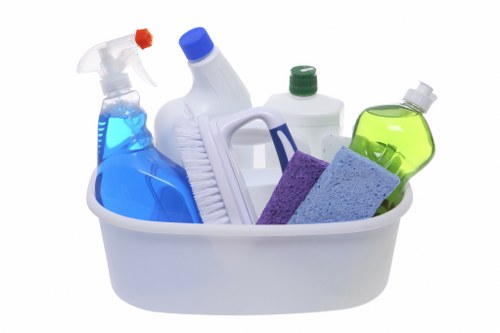 By following this health and safety policy for Cleaner Hammersmith, we promote a professional standard that protects people and property while maintaining reliable cleaning results. Safety is not a separate task; it is part of every cleaning job, every visit, and every decision made on site.