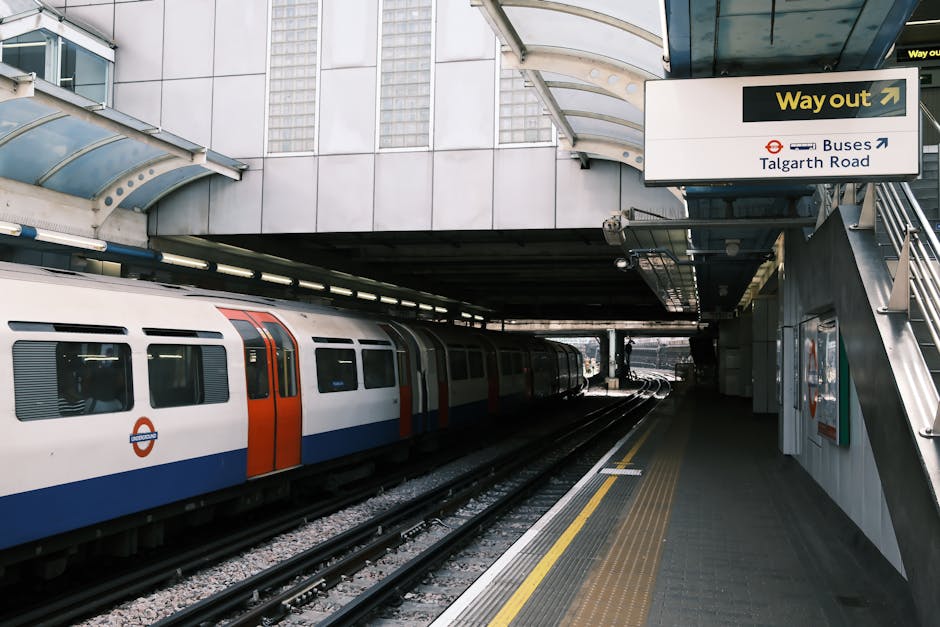
Access problems flats above shops cleaning Hammersmith: a practical guide for awkward entrances, tight stairwells and mixed-use buildings
Cleaning flats above shops sounds straightforward until you meet the reality: narrow staircases, locked side gates, shared entrances, awkward delivery times, missing buzzers, and a shop manager who is only on site for about twenty minutes before lunch. If you are dealing with Access problems flats above shops cleaning Hammersmith, you are not alone. These properties are common across busy London high streets, and the access issues can shape everything from cleaning time to safety, pricing, and the final result.
This guide breaks down how access challenges work in practice, what usually goes wrong, and how to plan a smarter clean without the stress. You will also find a checklist, a comparison table, and a realistic example from a mixed-use Hammersmith property. Let's face it, the cleaning itself is often the easy bit.
For readers who want to understand the wider cleaning picture for homes and shared buildings, it can also help to look at services such as deep cleaning, communal area cleaning, and end of tenancy cleaning, because flats above shops often need a mix of all three depending on how the space is used.
Table of Contents
- Why Access problems flats above shops cleaning Hammersmith Matters
- How Access problems flats above shops cleaning Hammersmith Works
- Key Benefits and Practical Advantages
- Who This Is For and When It Makes Sense
- Step-by-Step Guidance
- Expert Tips for Better Results
- Common Mistakes to Avoid
- Tools, Resources and Recommendations
- Law, Compliance, Standards, or Best Practice
- Options, Methods, or Comparison Table
- Case Study or Real-World Example
- Practical Checklist
- Conclusion
- Frequently Asked Questions
Why Access problems flats above shops cleaning Hammersmith Matters
Access issues are not a side note. They affect the entire cleaning job. In a flat above a shop, the cleaner may need to pass through a retail unit, wait for staff to unlock a service door, work around customer traffic, or carry equipment up a steep staircase that was clearly designed before anyone thought about vacuum cleaners. That changes the pace, the risk profile, and sometimes even what can be cleaned properly in one visit.
In Hammersmith, this matters even more because many buildings sit in active commercial streets where footfall, loading restrictions, and limited parking all add pressure. A cleaner who arrives with the right kit but no access plan can lose half the appointment before the first room is started. Not ideal. And if you are a resident, a landlord, or a managing agent, that can quickly turn into complaints about noise, dust, missed spots, or repeated call-backs.
It also matters for safety. Shared entries can be busy, dim, or cluttered. Chemical products, mops, hoses, and vacuum cords all become harder to manage when the route in and out is tight. That is why experienced cleaners tend to assess access before discussing scope, especially for larger jobs like after builders cleaning or more intensive one-off cleaning.
Expert summary: The better the access plan, the safer and more efficient the clean. With flats above shops, good planning often matters as much as the cleaning itself.
How Access problems flats above shops cleaning Hammersmith Works
The process usually starts with understanding the building layout. That might sound simple, but there is a big difference between a flat with a rear service entrance and one that can only be reached through the shop floor, up a narrow staircase, and across a shared landing with three different keys and one very temperamental intercom. Truth be told, these details change everything.
Most access-aware cleaning jobs follow a practical sequence:
- Pre-visit check - You confirm entry routes, key holding arrangements, parking, lifts, and any restrictions on timing.
- Scope review - You decide what needs cleaning, what can be moved, and whether any areas need specialist treatment such as carpet cleaning or window cleaning.
- Equipment planning - The team selects tools that suit the route in. For example, compact vacuums or smaller water containers can be more realistic than heavy-duty kit.
- Arrival and access confirmation - The cleaner checks in, unlocks the route, protects walkways where needed, and avoids blocking customers or staff.
- Cleaning in stages - Rooms are handled in an order that reduces backtracking. That keeps the workflow calmer, especially in compact spaces.
- Exit check - Doors, gates, alarms, and lights are left as agreed. Small detail, big difference.
The point is not to "push through" access difficulties. It is to work around them intelligently. A cleaner who understands mixed-use buildings will often adapt the method, not just the mop. That might mean using regular cleaning visits to stay on top of dust and debris rather than leaving everything until a huge, disruptive catch-up clean.
Key Benefits and Practical Advantages
When access is handled properly, the whole job becomes calmer and more predictable. That has some very practical benefits.
- Less disruption for shop staff and residents - Good access planning keeps hallways and service routes clear.
- Safer handling of equipment - Fewer awkward lifts, fewer near-misses, fewer scratched walls.
- Better cleaning quality - The team spends more time cleaning and less time wrestling with logistics.
- More accurate quotes - Access details help avoid surprises on the day.
- Faster turnaround - Useful if the flat needs to be ready for a move, inspection, or new tenant.
- Reduced wear on shared areas - The right method helps protect stair rails, door frames, flooring, and paintwork.
There is also a trust factor here. If you are handing over keys or arranging access while not being on site, clear planning reassures everyone. A good cleaner should be able to explain how they will enter, where they will park, what they need from you, and what happens if access is delayed.
For properties where the flat sits over a business, this often links naturally with communal area cleaning or even commercial cleaning if the shared spaces are part of the service boundary.
Who This Is For and When It Makes Sense
This kind of planning is useful for a fairly wide mix of people. If the property is straightforward and empty, you may not need much more than a normal clean. But if any of the following sound familiar, you are in the right place.
- Tenants moving out of a flat above a retail unit and needing the place cleaned before inspection.
- Landlords who want the flat and access route left tidy between occupants.
- Managing agents coordinating cleaning for a building with shared stairs or rear access only.
- Owners who live above a shop and need a regular, discreet service.
- Airbnb hosts with a mixed-use property where entry timing is tight.
- Businesses that need cleaning scheduled around trading hours without annoying customers.
It also makes sense when the flat has anything awkward inside it: older carpets, heavy odours, stubborn oven grease, pet damage, or hard floors that need careful treatment. In those cases, access is only one issue. The type of cleaning matters too. You might need oven cleaning, upholstery cleaning, or even pet stain odour removal alongside the main clean.
Step-by-Step Guidance
If you want a smoother experience, follow a simple process. Nothing fancy. Just clear steps and honest communication.
1) Map the access route
Start with the real route, not the one you assume exists. Check whether there is a front entrance, rear entrance, shared side gate, lift, service corridor, or only stairs. Measure the awkward bits if needed. One missing key detail can waste a surprising amount of time.
2) Confirm who will be available
Decide who is opening up. Is it the resident, the shop owner, a neighbour, or a managing agent? If someone needs to meet the cleaner at a specific time, make that crystal clear. A five-minute delay sounds tiny until it happens on a busy street in Hammersmith and the cleaner is standing outside with a machine, a caddy, and no way in.
3) Reduce clutter before the appointment
Move what you can in advance. Bags, boxes, delivery crates, and loose stock can all make access harder than it should be. If a staircase already feels narrow, don't make it feel narrower. That sounds obvious, yet it is one of the most common causes of slow jobs.
4) Match the service to the property
Not every flat above a shop needs the same approach. A light refresh may only need house cleaning, while a neglected rental might need a deeper reset. If floors are the main issue, hard floor cleaning may be more relevant than a general surface wipe.
5) Clarify what happens if access fails
It is worth agreeing this in advance. What if the key is missing, the intercom fails, or the shop opens late? A fair policy avoids arguments later. Most people are reasonable when expectations are set early.
6) Do a post-clean check
Check that all doors, gates, and shared areas are as they should be. This is where small oversights can be caught. A cleaner can do a brilliant job and still lose goodwill if a fire door is left ajar or a shared hallway is not put back properly.
Expert Tips for Better Results
Here are the habits that make the biggest difference in mixed-use buildings. None of them are complicated, but they are the kind of details experienced cleaners pay attention to.
- Choose quieter time windows if possible. Mid-morning or early afternoon can be easier than opening time or the lunch rush.
- Use compact equipment when stair access is tight. A smaller machine may be less glamorous, but it can save the day.
- Protect corners and touchpoints on tight staircases. A quick barrier or careful carry route helps prevent scuffs.
- Book specialised services together where practical. For example, a flat needing fabric care may benefit from sofa cleaning and rug cleaning in the same visit.
- Keep communication simple. One person, one access plan, one contact number. Too many messages can get messy fast.
- Be realistic about timing. Access delays happen. It is better to allow a bit of margin than to plan a perfect schedule that collapses at the first locked door.
A small practical aside: a labelled key ring can save more time than you might think. The wrong key in a stack of five nearly identical keys? That is a very London problem, and a very avoidable one.
Common Mistakes to Avoid
Some access problems are unavoidable. Others are self-inflicted. The good news is that many of the common ones are easy to prevent.
- Assuming entry is obvious - A building may have several doors, but only one works for cleaning access.
- Failing to warn the cleaner about stairs - This affects equipment choice and time estimates.
- Ignoring parking or loading restrictions - Especially frustrating when the cleaner has heavy kit and no nearby stop.
- Leaving the route cluttered - Deliveries, stock, and personal items can block access more than people expect.
- Not confirming contact details - If the cleaner cannot reach anyone, the appointment can stall.
- Trying to bundle too much into one short visit - It is tempting, but it can reduce quality.
One more thing: don't ignore shared areas just because they are not "inside the flat." If the staircase smells damp, the hallway is dusty, or the entry glass is grimy, it affects the feel of the whole property. Sometimes the best first impression starts before the front door. That is where services like window cleaning or facade cleaning can make a surprisingly visible difference.
Tools, Resources and Recommendations
You do not need a warehouse full of equipment to handle access problems well. What you do need is the right set of practical tools and a bit of judgement.
| Need | Useful approach | Why it helps |
|---|---|---|
| Tight stairs | Compact vacuum, lighter buckets, fewer loose items | Safer carrying and less chance of contact damage |
| Shared entry | Door protection, clear communication, timed arrival | Reduces disruption to residents and businesses |
| Mixed surfaces | Targeted services like carpet or hard floor treatment | Improves results without overcleaning the wrong surfaces |
| Post-tenancy reset | Deep clean plus specialist add-ons | Better end result for inspections and handovers |
| Repeated access issues | Regular schedule, key protocol, consistent contact person | Fewer delays and less confusion over time |
Useful service pairings often depend on the condition of the flat. For example, damp-feeling textiles may need curtain cleaning, tired fixtures may benefit from mattress cleaning, and move-related jobs may be better handled as move out cleaning or move in cleaning rather than a quick surface tidy.
If you are comparing providers, it is also sensible to review practical business information such as pricing and quotes, insurance and safety, and the company's health and safety policy. Those pages help you judge whether the provider thinks seriously about access-related risk, not just the cleaning itself.
Law, Compliance, Standards, or Best Practice
Access-led cleaning in flats above shops is not usually about one dramatic legal rule. It is more about sensible UK best practice: duty of care, safe movement of equipment, respect for shared spaces, and clear agreements about who is responsible for entry and supervision.
In practical terms, that means a cleaner should avoid creating hazards in corridors, should not block emergency exits, and should handle chemicals and equipment carefully. If a property has a shared stairwell or commercial entrance, the cleaner should think about residents, staff, customers, and delivery patterns. That is just common sense, but common sense goes a long way.
Where formal processes exist, they should be easy to follow. A visible accessibility statement, a sensible terms and conditions page, and a clear complaints procedure can tell you a lot about how a company handles awkward jobs and service issues.
For recycled waste, packaging, and product disposal, look for a thoughtful approach to sustainability, ideally explained in plain language on a recycling and sustainability page. And if payments need to be arranged remotely, a secure system matters just as much as convenience, so payment and security should not be an afterthought.
Options, Methods, or Comparison Table
There is no single "best" method for access problems. The right choice depends on the building, the time available, and how much of the flat needs attention. Here is a simple comparison.
| Method | Best for | Pros | Trade-offs |
|---|---|---|---|
| Standard scheduled clean | Known access, regular visits | Predictable, efficient, easy to repeat | Less flexible if access changes suddenly |
| One-off intensive clean | Flats that have built up dirt or clutter | Thorough and reset-focused | More time needed, more disruption |
| Regular maintenance clean | Occupied flats above shops | Keeps dust and grime under control | May not solve deep stains alone |
| Deep clean with add-ons | End of tenancy or major refresh | Covers more problem areas in one visit | Requires better planning and timing |
If the access route is genuinely awkward, the most efficient option is often not the biggest clean, but the smartest sequence of smaller tasks. For example, a regular schedule plus occasional specialist work on carpets, ovens, or upholstery is often easier to manage than one huge all-day job. In some properties, that really is the difference between stress and something almost pleasant. Almost.
Case Study or Real-World Example
Here is a realistic scenario from a mixed-use Hammersmith property. A one-bedroom flat sat above a small retail unit with a rear service entrance and a narrow internal stair. The tenant was moving out, the landlord wanted the flat ready for viewings, and the shop could only provide access outside trading peaks. On paper, simple. In practice, there were three keys, one missing label, and a stairwell that would barely fit a vacuum if you held your breath.
The cleaner started by confirming the access window the day before, asking for the correct entry point, and checking whether any items had to be moved beforehand. The resident cleared the hallway, the shop owner kept the service route open for thirty minutes, and the clean was split into stages: kitchen first, then bathroom, then soft surfaces, then the corridor and stairs last so the shared area stayed tidy until the end.
The result was better than trying to do everything in one rushed pass. The flat looked fresh, the stairwell stayed protected, and there were no awkward interruptions during opening hours. A small detail made the biggest difference: the access route was agreed in plain English, not "we'll sort it on the day." That alone saved a headache.
For jobs like this, a provider that understands both domestic and mixed-use environments can be a better fit than a generic cleaner. If you want to learn more about the company behind the service, the about us page is a useful place to start, and if you prefer to raise a specific requirement directly, the contact us page is there too.
Practical Checklist
Use this before the appointment. It keeps things calmer, honestly.
- Confirm the exact entrance route.
- Check who will open the property.
- Share the best phone number for the day.
- Clear hallways, stairs, and landings where possible.
- Note any parking or loading restrictions.
- Tell the cleaner about narrow turns, low ceilings, or steep stairs.
- List any delicate surfaces, carpets, or soft furnishings.
- Decide whether you need add-on tasks such as oven, carpet, or upholstery cleaning.
- Agree what happens if access is delayed.
- Make sure keys, codes, or intercom details are correct.
- Check that shared areas will be left tidy.
- Confirm the end-of-job handover process.
If the property has recurring access pressure, a consistent service plan can help a lot. In some cases that means combining the flat clean with domestic cleaning or house cleaning, so the property stays manageable rather than slipping into a bigger problem.
Conclusion
Access problems in flats above shops are not just an inconvenience. They shape the whole cleaning experience: timing, safety, communication, quality, and cost. The good news is that most of the stress can be reduced with a simple plan, clear access details, and the right cleaning method for the building.
If you are preparing a flat above a shop in Hammersmith, think beyond the mop and bucket. Think about the route in, the shared spaces, the timing, and the people affected on both sides of the door. That is how you turn a tricky job into a smooth one. And if one part of the process feels messy, that's normal. These properties are a bit of a puzzle sometimes.
Get a free quote today and see how much you can save.
With the right preparation, even the awkward buildings become manageable. One step at a time. That usually works best.
Frequently Asked Questions
What are the main access problems in flats above shops?
The most common issues are narrow staircases, shared entrances, locked rear doors, missing keys, limited parking, and timing restrictions around shop trading hours.
Why is cleaning flats above shops more complicated than regular flats?
Because cleaners often have to move through commercial spaces, work around customers or staff, and carry equipment through tighter, less convenient routes.
Can a cleaner work around access restrictions?
Usually, yes, if the access plan is clear. The cleaner may adjust arrival time, equipment size, or the order of rooms to suit the building.
Do I need to be there for the cleaning appointment?
Not always. Many jobs can be handled with keys, codes, or a nominated contact, but the access details must be accurate and agreed in advance.
Is a deep clean better for a flat above a shop?
It depends on the condition of the property. If the flat has built-up grime, odours, or neglected areas, a deep clean can be the better choice.
What should I tell the cleaner before the visit?
Share the entry route, parking options, access times, stair details, any shared areas, and any special issues such as carpets, upholstery, or fragile surfaces.
How can I make access easier for the cleaner?
Clear hallways, label keys, confirm contact numbers, and make sure the route is unlocked and usable at the agreed time.
Are flats above shops more likely to need communal area cleaning?
Often, yes. Shared entrances, stairwells, and landings can collect dust and grime quickly, especially in busy mixed-use buildings.
What if the cleaner cannot get in on the day?
That should be covered in the service agreement or booking terms. Good communication beforehand usually prevents this, but it is worth confirming what happens if access fails.
Can I combine access-aware cleaning with carpet or upholstery work?
Yes, and that is often sensible. If the route in is difficult, combining tasks can reduce repeat disruption and make the visit more efficient.
How do I choose a provider for this kind of job?
Look for a company that asks detailed access questions, explains its process clearly, and provides useful information on safety, pricing, and complaints handling.
Is there anything special about Hammersmith properties?
Busy streets, mixed-use buildings, and limited parking can all make access more complex in Hammersmith, so local experience is genuinely useful.